
Where to Stay in Cabo Verde
A regional guide to accommodation across the country
Cabo Verde strings ten volcanic islands across the Atlantic, and each one wears its own lodging personality. Sal and Boa Vista lead the charge with beachfront resorts where turquoise water licks white sand just metres from your balcony. Santiago, the largest island, mixes colonial guesthouses in Cidade Velha with business hotels in Praia that pulse with West African trade. São Vicente cradles Mindelo's music-soaked boutique hotels, while Santo Antão tucks eco-lodges onto terraced mountainsides where clouds drift straight through your bedroom window. The accommodation spread runs wider than you expect. A simple room in a Mindelo boarding house costs less than dinner back home, yet a five-star suite in Sal can match Mediterranean tabs. Budget travellers score clean doubles for the price of a European hostel bunk. Mid-range sweet spots cluster around historic towns and harbour fronts, serving Creole breakfasts on sunny terraces. Booking follows the Atlantic winds. December through March brings European sun-seekers to Sal and Boa Vista, pushing prices up 50%. São Vicente's music festival season (April-May) fills Mindelo's hotels two months ahead. Santiago holds steady year-round, with government and NGO traffic keeping rooms occupied no matter the beach weather.
Where to Stay in Cabo Verde
Hand-picked hotels across price tiers for every visitor.
Our Top Picks
The highest-rated hotel in each price range, selected from across Cabo Verde.
Top Pick: Sal Island
Budget
Syds Guesthouse I
"A unique experience, we have been treated in the small care, breakfast is prepar…"
Spa
Parking
Airport pick-up
Luggage storage
Sal Island
Check prices on Trip.com →
Top Pick: Sal Island
Mid Range
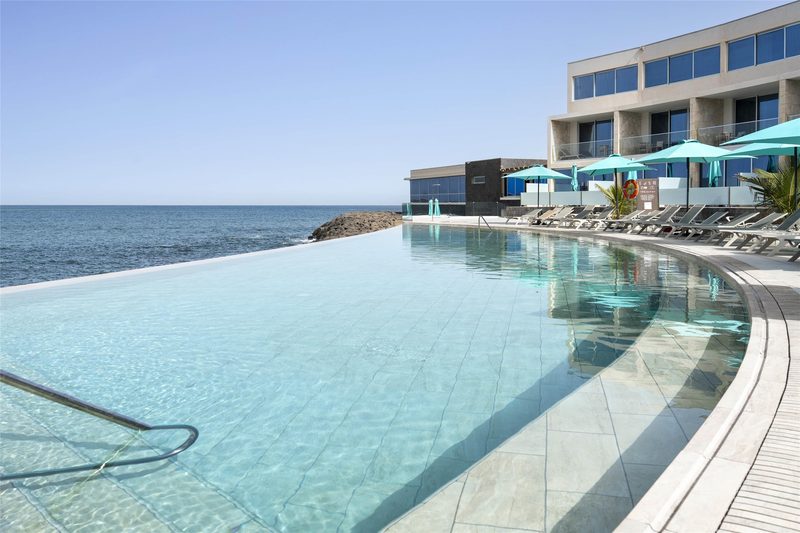
Barceló Praia Cape Verde
"Of the four hotels I stayed at during my time in Cape Verde, this is the closest…"
Outdoor swimming pool
Gym
Parking
Bar
Sal Island
Check prices on Trip.com →
Find Hotels Across Cabo Verde
Compare prices from hotels across all regions
Search HotelsPrices via Trip.com. We may earn a commission from bookings.
Regions of Cabo Verde
Each region offers a distinct character and accommodation scene. Find the one that matches your travel plans.
Sal Island
Highest in Cabo Verde
Cabo Verde's tourism capital lines Santa Maria beach with international resorts like dominoes. The island runs on resort time, and all-inclusive complexes rule the southern shore.
Accommodation: Resort-heavy coastline with a growing hostel scene in Santa Maria village
Gateway Cities
Where to stay in this region
Budget
Syds Guesthouse I
"A unique experience, we have been treated in the small care, breakfast is prepar…"
Spa
Parking
Airport pick-up
Luggage storage
✓ Verified
Check prices on Trip.com →
Mid Range
Barceló Praia Cape Verde
"Of the four hotels I stayed at during my time in Cape Verde, this is the closest…"
Outdoor swimming pool
Gym
Parking
Bar
✓ Verified
Check prices on Trip.com →
Budget
Casa Jardim di Sol
Luggage storage
Wi-Fi in public areas
✓ Verified
Check prices on Trip.com →
Budget
Aparthotel Praiano
Diving
Hiking
Airport pick-up
Luggage storage
✓ Verified
Check prices on Trip.com →
Mid Range
Pestana Tropico Ocean & City Hotel
"Overall, it was pretty good. The breakfast was plentiful, and there was a buffet…"
Outdoor swimming pool
Gym
Public parking
Airport shuttle pick-up
✓ Verified
Check prices on Trip.com →
Santiago Island
Moderate
The beating heart of Cabo Verde fuses colonial history with modern African energy. Praia's Plateau district packs government hotels while Cidade Velha hands you UNESCO-listed guesthouses.
Accommodation: Mix of business hotels, colonial conversions, and family guesthouses
Gateway Cities
Where to stay in this region
Budget
Pousada Praia Maria
"Booking on Trip.com is more than 100 cheaper than going directly to the hotel, t…"
Airport pick-up
Luggage storage
Bar
Restaurant
✓ Verified
Check prices on Trip.com →
Mid Range
Hotel VIP Praia
"Great location. Next door is a shopping center with supermarket, great gym (Andr…"
Spa
Massage room
Gym
Private parking
✓ Verified
Check prices on Trip.com →
Budget
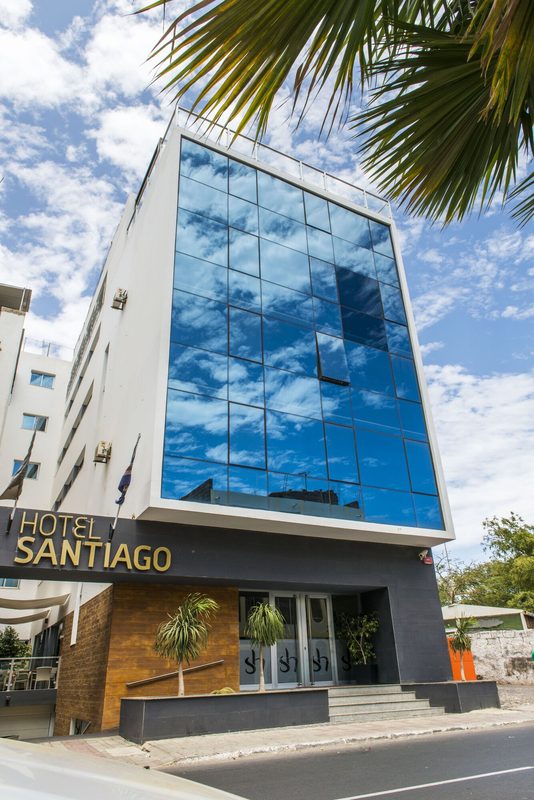
Hotel Santiago
"Very nice Hotel. The staff was always helpful. The breakfast good and the locati…"
Gym
Parking
Airport pick-up
Luggage storage
✓ Verified
Check prices on Trip.com →
Budget
Aparthotel Palace
Diving
Snorkeling
Hiking
Massage room
✓ Verified
Check prices on Trip.com →
Mid Range
Hotel Pérola
"100% recommendable! Completely new and renovated hotel and very friendly staff.…"
Outdoor swimming pool
Gym
Luggage storage
Restaurant
✓ Verified
Check prices on Trip.com →
São Vicente Island
Mid-range with seasonal spikes
Mindelo's colonial grid packs music clubs and boutique hotels where Cesária Évora once sang. The harbour front glows with Portuguese architecture and live music spills onto cobblestones.
Accommodation: Boutique hotels in restored colonial buildings, artist residencies, harbor-view guesthouses
Gateway Cities
Where to stay in this region
Budget
Hotel Praia Confort
"There are not many choices for breakfast. But it is not bad, the room is clean a…"
Diving
Hiking
Public parking
Luggage storage
✓ Verified
Check prices on Trip.com →
Mid Range
Hotel Happy Day
"Hotel in the centre, in a building area and there is always someone sparkling a…"
Indoor swimming pool
Spa
Massage room
Parking
✓ Verified
Check prices on Trip.com →
Budget
Hotel Santa Maria
"Maybe I have never lived in a foreign hotel, which is a bit rare. The room does…"
Diving
Snorkeling
Hiking
Public parking
✓ Verified
Check prices on Trip.com →
Budget
Txada Hostel
"El alojamiento en general está bastante bien, el personal muy amable y dispuesto…"
Parking
Currency exchange
Luggage storage
Wi-Fi in public areas
✓ Verified
Check prices on Trip.com →
Budget
Sol Hotel
Public parking
Airport pick-up
Luggage storage
Bar
✓ Verified
Check prices on Trip.com →
Boa Vista Island
High
Endless dunes crash into all-inclusive resorts on this flat desert island. Loggerhead turtles nest on beaches where hotels sit barely 50 meters from protected nesting sites.
Accommodation: Large beach resorts dominate the south, basic guesthouses cluster in Sal Rei
Gateway Cities
Sal Rei
Rabil
Where to stay in this region
Outdoor swimming pool
Public parking
Airport pick-up
Bar
✓ Verified
Check prices on Trip.com →
Santo Antão Island
Low to moderate
Steep valleys carved by volcanoes create a hiker's paradise. Eco-lodges grip mountain ridges where clouds form inside your bedroom, and mule trails link remote villages.
Accommodation: Mountain eco-lodges, village homestays, converted plantation houses
Gateway Cities
Fogo Island
Low
An active volcano dominates this circular island where black lava meets wine country. Most lodging clusters in São Filipe's colonial grid or in Chã das Caldeiras village inside the crater.
Accommodation: Colonial guesthouses, crater homestays, wine estate rooms
Gateway Cities
São Filipe
Chã das Caldeiras
Accommodation Landscape
What to expect from accommodation options across Cabo Verde
International Chains
RIU dominates resort islands with four properties, Melia operates in Sal, Accor has announced plans for Praia. Local chains like Hoteis Cabo Verde run 8 properties across islands.
Local Options
Family pensions called 'pensões' offer breakfast included and local knowledge. Many are converted colonial homes with original features preserved.
Unique Stays
Volcano crater homestays on Fogo, 200-year-old coffee plantation lodges on Santo Antão, former whaling station converted to eco-camp on Brava.
Ready to book?
Compare hotel prices across Cabo Verde
Search Hotels in Cabo VerdeBooking Tips for Cabo Verde
Country-specific advice for finding the best accommodation
Island-hopper hotels
Book ferry-flexible rates when island-hopping. Schedules change with weather and some hotels offer free cancellation within 24 hours of ferry delays.
Search hotels →Local breakfast included
Most guesthouses include Creole breakfast of fresh bread, goat cheese, and coffee grown on Fogo or Santo Antão. Resort chains charge €15-25 extra.
Search hotels →Music season premiums
Carnival (February), Baía das Gatas festival (August), and Mindelo music weeks (April-May) triple prices in São Vicente. Book six months ahead.
Search hotels →When to Book
Timing matters for both price and availability across Cabo Verde
High Season
Book December-March beach resorts by September. Carnival time in Mindelo needs reservations by November.
Shoulder Season
April-June and October-November bring perfect weather with 40% lower prices on Sal and Boa Vista.
Low Season
July-September offers deepest discounts but some Santiago hotels close during rainy season. Good for hiking islands.
Beach islands need 3-4 months advance booking for Christmas. Mountain islands accept walk-ins year-round except festival periods.
Good to Know
Local customs and practical information for Cabo Verde
Check-in / Check-out
Standard 14:00 check-in, 12:00 check-out. Most places will store bags and some offer shower facilities for late flights.
Tipping
Leave an euro or two on the table and slip the same to the housekeeper each morning; it's enough to be remembered. Even at all-inclusives, where management frowns on gratuities, the cleaners and bar staff still light up when you press coins into their palms.
Payment
Euro notes spend everywhere. If you need more, hunt for an ATM in Praia, Santa Maria or Mindelo. Anywhere else in the mountains, paper money is king, so stuff your wallet before you leave the coast.
Safety
Cabo Verde sits at the top of Africa's safety list. Still, lock passports and phones in the room safe, and keep your wits about you when the bars in Praia and Mindelo spill onto the streets after midnight.
Found your region?
Compare hotel prices now.
Search Hotels